Fancy Urdu Name Generator — اردو فینسی نام (2026 Guide)
Most “fancy Urdu name” tools online aren’t actually Urdu — they take Latin letters and decorate them with symbols, which isn’t the same as real Urdu or Arabic-script calligraphy. This guide covers how to generate a genuinely authentic فینسی (fancy) Urdu-style name using real calligraphic fonts, and where it fits alongside proper Urdu Nastaliq.
What Is a Fancy Urdu Name, Really?
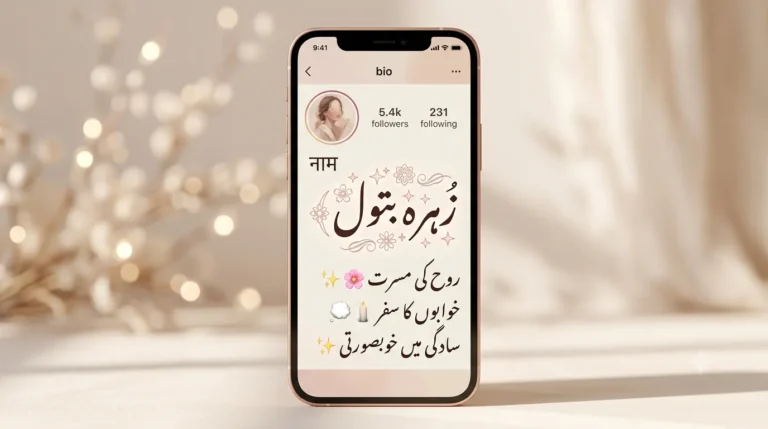
A genuine fancy Urdu name uses authentic Arabic-script calligraphic fonts — like Amiri, Reem Kufi, or Scheherazade New — rather than Latin letters dressed up with decorative symbols, which is what most “fancy text” generators actually produce. The distinction matters: a Latin name like “Ahmed” run through a symbol generator isn’t Urdu at all, just English text with borders. A real فینسی اردو نام is built from actual Urdu or Arabic script rendered in a distinct calligraphic style.
The Arabic Stylish Names generator uses 25 authentic Arabic fonts, including Amiri and Reem Kufi, giving you genuine calligraphic variety rather than the Latin-only decoration most competing tools offer.
Fancy Urdu vs. Traditional Nastaliq — What’s the Difference?
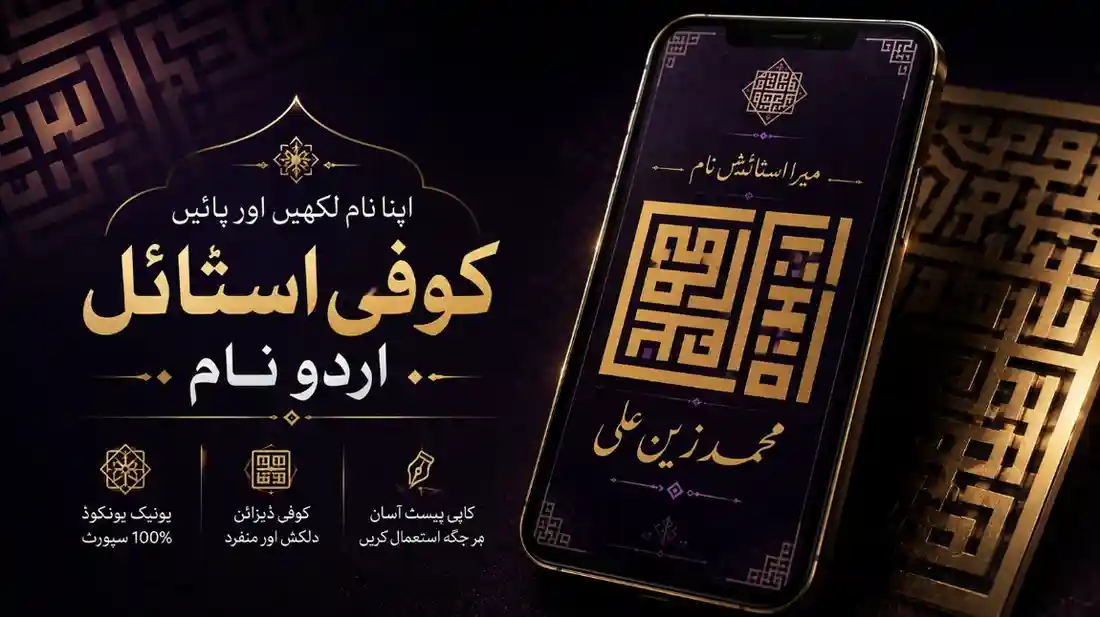
Traditional Nastaliq is the flowing, diagonal calligraphic style used for everyday Urdu writing, while “fancy” styles include bolder, more geometric options like Kufic script that trade traditional flow for a modern, sharp aesthetic. Both are authentic — they just serve different looks.
| Style | Look | Best For |
| Noto Nastaliq Urdu | Traditional, flowing, diagonal | Everyday names, formal profiles |
| Amiri | Classic Arabic calligraphy, elegant | Instagram bios, formal identity |
| Reem Kufi | Bold, geometric, modern | Gaming profiles, brand-style names |
| Scheherazade New | Clean, highly legible | Names that need to stay readable at small sizes |
If you want the traditional everyday look, the Urdu Stylish Names generator covers Nastaliq specifically. If you want the bolder, more decorative fancy aesthetic, the Arabic Stylish Names generator’s Reem Kufi and Amiri options are the better fit.
How to Generate a Fancy Urdu Name — Step by Step
Type your name in Urdu or Arabic script, or use Roman transliteration, then browse the Reem Kufi and Amiri font cards for the boldest fancy styling, and copy directly into your target app.
- Open the Arabic Stylish Names generator and enter your name.
- Scroll through the font cards — each uses a genuinely different Unicode font, not a filtered version of the same one.
- Pick Reem Kufi for a bold, modern fancy look, or Amiri for elegant traditional calligraphy.
- Copy the style and paste it into Instagram, Facebook, or WhatsApp, where Arabic-script Unicode displays fully and correctly.
Fancy Urdu Names for Gaming Platforms
Free Fire accepts Arabic-script Unicode up to a 20-character limit, and PUBG Mobile allows up to 16 characters — both render the script left-to-right rather than right-to-left, so short, bold Kufic-style names work best in these gaming environments. A long, ornamental calligraphic name that looks stunning on Instagram can get visually compressed or cut off in a Free Fire lobby list, so gaming profiles call for a shorter, simpler fancy style than social ones.
For Urdu-script names specifically built and tested for Free Fire’s rendering behavior, the Free Fire Urdu Name Generator handles the platform-specific character limit and font compatibility directly.
Best Fancy Urdu/Arabic Name Ideas for 2026
- Bold Kufic: ✦ زید ✦ in Reem Kufi — short, sharp, gaming-ready
- Elegant Amiri: 👑 نور 👑 — classic calligraphy for Instagram bios
- Royal minimal: ⋆ ملكی ⋆ — the dominant royal-themed aesthetic trending across MENA profiles in 2026
- Clean readable: فاطمہ in Scheherazade New — stays legible even at small display sizes
- Traditional Nastaliq: احمد in Noto Nastaliq Urdu — for a more everyday, formal look
Common Mistakes With Fancy Urdu Names
The most common mistake is confusing decorated Latin text with real Urdu or Arabic script — they aren’t interchangeable, and search intent for “fancy Urdu name” almost always means genuine script, not English letters with borders. A second common mistake is using an overly ornamental calligraphic style on a gaming platform, where character limits and LTR rendering favor short, bold Kufic names over flowing traditional script.
Frequently Asked Questions
Q: What’s the difference between fancy Urdu and regular stylish Urdu names? “Fancy” typically refers to bolder, more decorative fonts like Reem Kufi, while regular stylish Urdu names lean on traditional Nastaliq calligraphy — both are authentic Urdu/Arabic script, just different aesthetics.
Q: Can I use a fancy Urdu name on Free Fire? Yes, up to a 20-character limit, but short bold Kufic styles work better than long ornamental ones since Free Fire renders Arabic script left-to-right.
Q: Does TikTok support fancy Urdu names? Yes — the TikTok Urdu Names generator covers styles optimized for TikTok’s 24-character limit and small-size display.
Q: Are these real Urdu fonts or just decorated English text? Real authentic fonts — Amiri, Reem Kufi, and Scheherazade New are genuine Arabic-script typefaces, not Latin letters with symbol decoration.
Q: Which font looks most “fancy” for an Instagram bio? Amiri for elegant traditional calligraphy, or Reem Kufi if you want a bolder, more modern look.
Q: Is there a difference between Arabic and Urdu fancy names? Urdu adds a few extra letters (like ں, ٹ, ڈ) not present in standard Arabic, but both scripts share the same underlying Unicode block and font traditions, so the same generator covers both well.